Modern buildings are increasingly designed to be energy efficient, comfortable, and environmentally responsible. One of the technologies helping achieve these goals is thermal break technology in aluminium doors and windows.
While aluminium frames are strong and durable, they are also highly conductive. This means heat and cold can easily pass through the frame, affecting indoor temperatures. Thermal break technology solves this problem by introducing an insulating barrier inside the frame.
For properties in Melbourne—where temperatures can fluctuate significantly throughout the year—thermal break window systems can play a crucial role in improving building performance and comfort.
Understanding Thermal Break Technology
Thermal break technology works by separating the internal and external parts of an aluminium frame using a non-conductive material.
This insulating barrier interrupts the flow of heat between the inside and outside surfaces of the frame.
Typically, the barrier is made from polyamide, a highly durable material with excellent thermal resistance. It is mechanically bonded between two aluminium sections during manufacturing.
This design allows aluminium frames to maintain their structural strength while significantly improving insulation performance.
Why Thermal Break Technology Is Important for Melbourne Buildings
Melbourne is known for its variable climate. Residents often experience several weather changes in a single day, ranging from warm sunshine to cool winds and sudden temperature drops.
Without proper insulation in windows and doors, indoor spaces can lose heat quickly in winter or gain unwanted heat during summer.
Thermal break technology helps address these challenges by creating better temperature control and reducing energy loss through window frames.
For Melbourne homes, offices, and commercial buildings, this means:
- improved thermal performance
- reduced reliance on heating and cooling
- better overall comfort throughout the year
How Thermal Break Frames Improve Window Performance
Thermal break systems do more than simply reduce heat transfer. They also enhance the overall performance of windows and doors.
1. Stable Indoor Temperatures
By reducing heat conduction through aluminium frames, thermal break technology helps maintain consistent indoor temperatures.
Rooms remain warmer in winter and cooler in summer without overworking heating or cooling systems.
2. Improved Building Energy Ratings
Energy efficiency is becoming increasingly important in Australian building standards.
Thermally broken aluminium systems can contribute to higher energy ratings for homes and commercial developments by improving insulation around window and door openings.
3. Better Acoustic Insulation
While thermal breaks are primarily designed for insulation, they also contribute to improved sound performance when combined with high-performance glazing.
This can help reduce external noise, which is beneficial for properties located in busy urban areas or near major roads.
4. Reduced Thermal Stress on Glass
Temperature differences between interior and exterior surfaces can place stress on glass panels.
Thermal break frames help regulate temperature differences around the glazing, improving long-term durability of window systems.
Thermal Break Technology in Modern Architecture
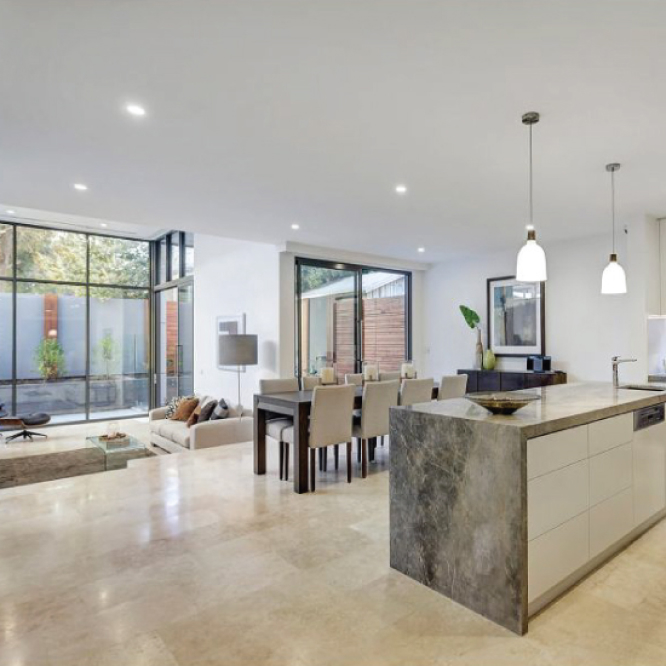
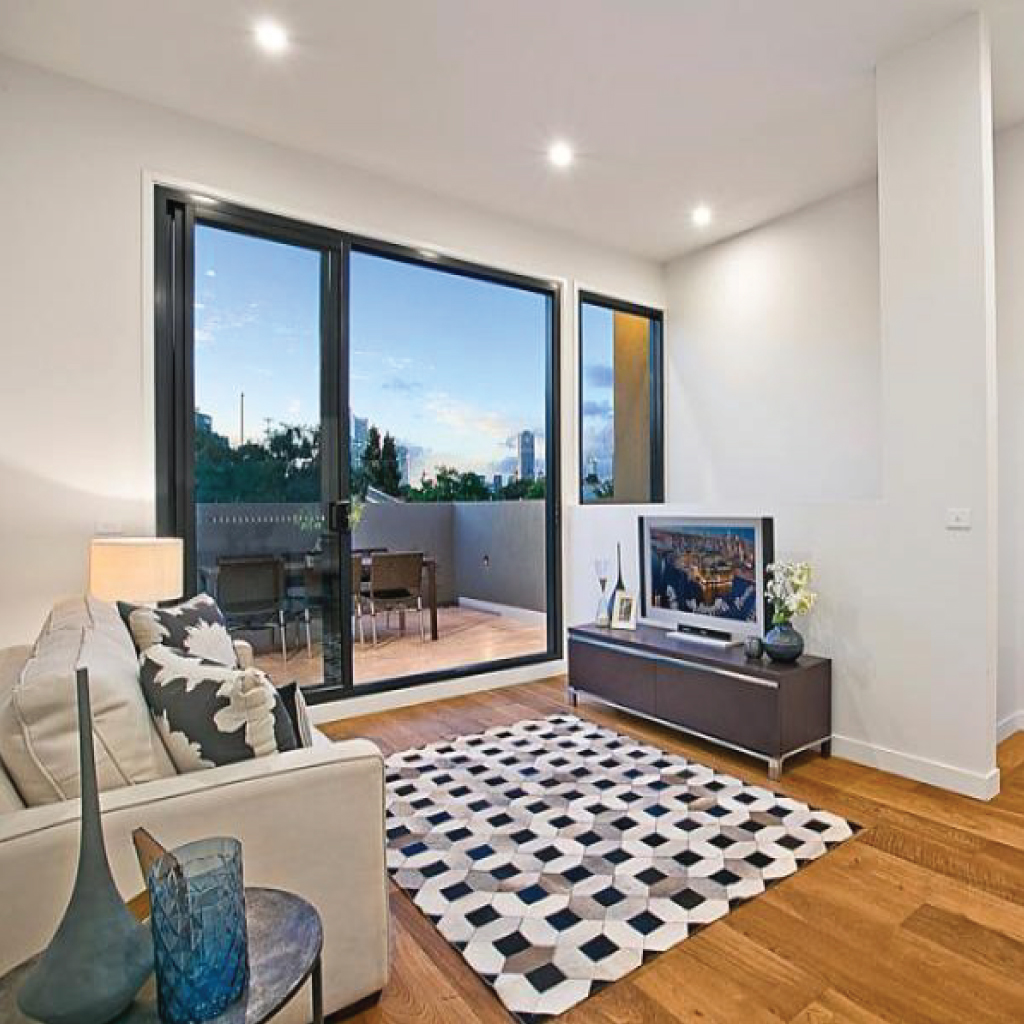
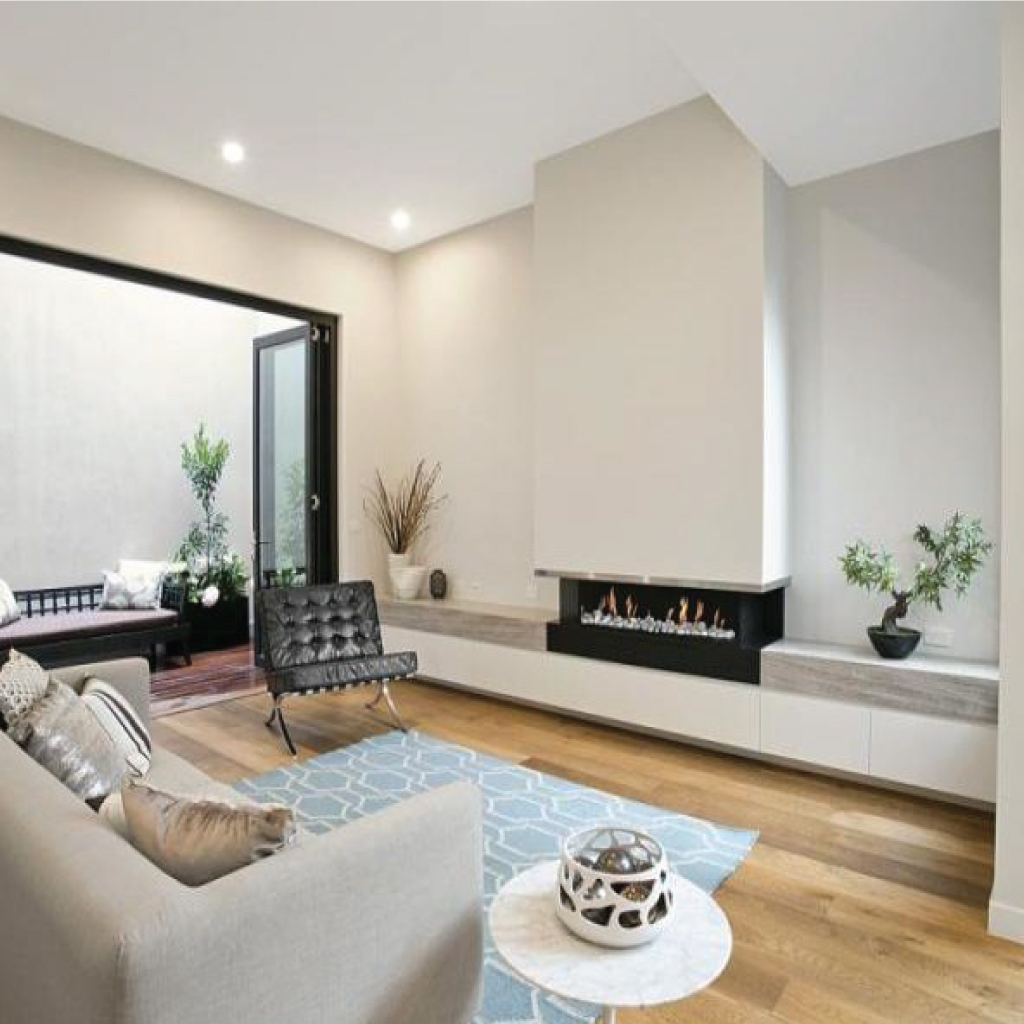
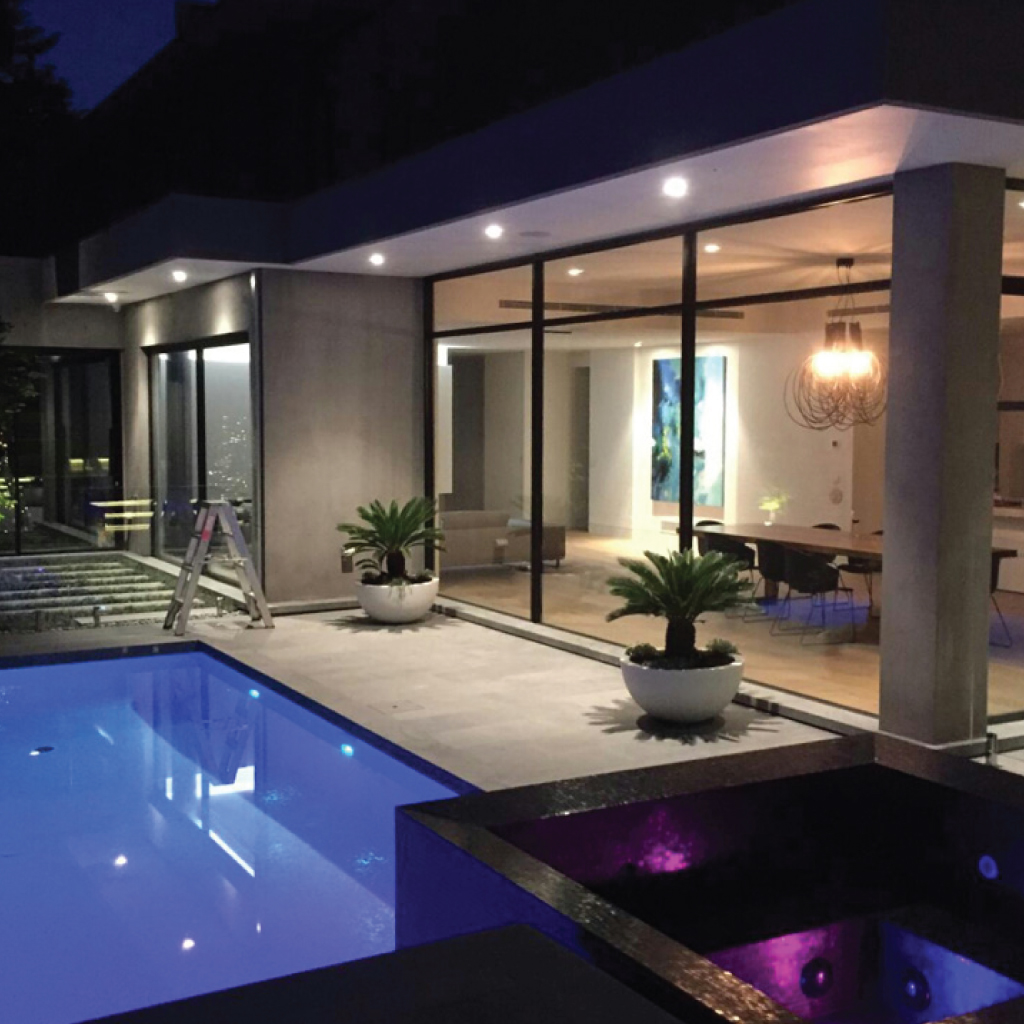
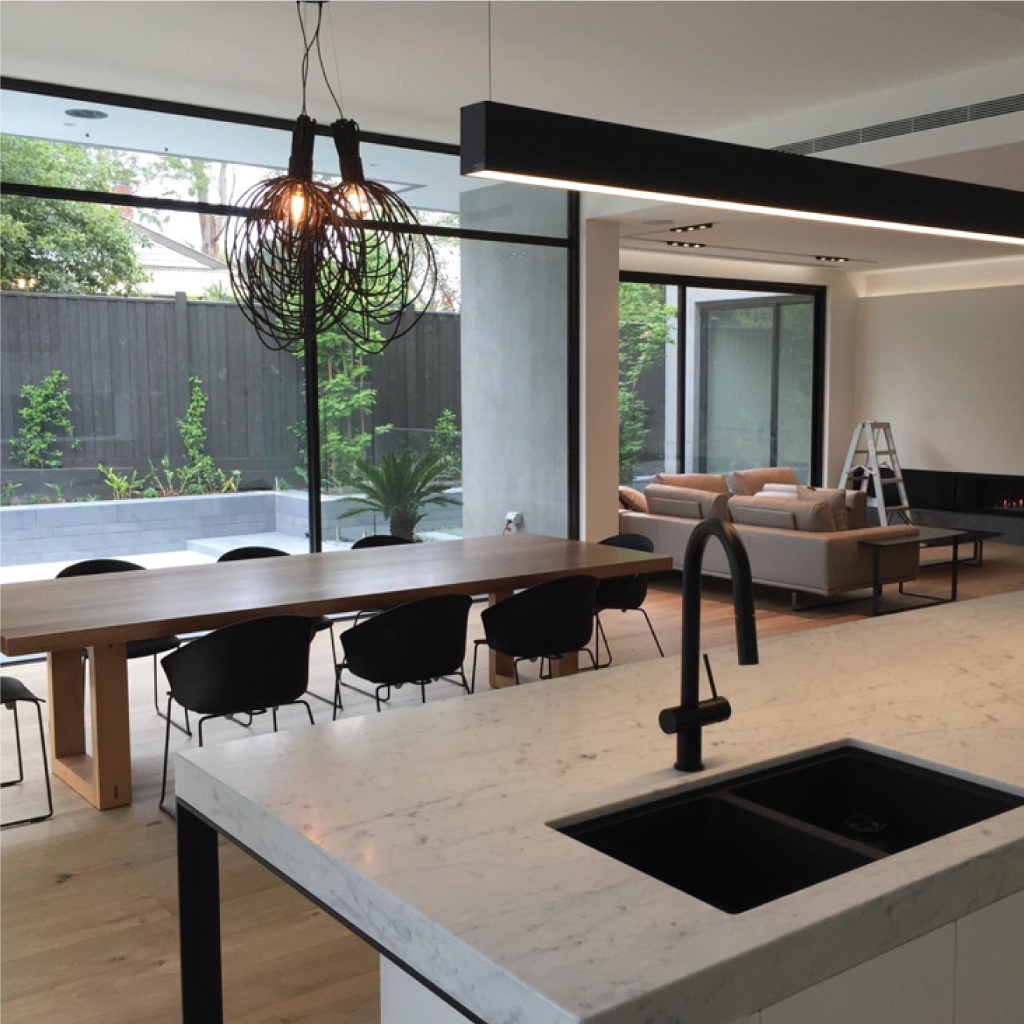
Architectural design today often features large glass panels, open spaces, and seamless indoor-outdoor transitions.
These design trends demand window systems that combine aesthetics with high performance.
Thermal break aluminium systems allow architects and builders to create large glazed openings without sacrificing energy efficiency.
This makes them ideal for:
- contemporary residential homes
- multi-storey apartments
- commercial buildings
- retail shopfronts
The slim profile of aluminium frames allows more natural light while maintaining structural integrity.
Thermal Break vs Standard Aluminium Frames
Traditional aluminium frames conduct heat easily because metal transfers temperature quickly.
Thermally broken frames interrupt this process.
| Feature | Standard Aluminium Frame | Thermal Break Aluminium Frame |
|---|---|---|
| Heat transfer | High | Significantly reduced |
| Insulation | Limited | Improved |
| Condensation risk | Higher | Lower |
| Energy efficiency | Moderate | Higher |
This difference is why thermal break technology is increasingly recommended for modern energy-efficient buildings.
When Should You Choose Thermal Break Windows?
Thermally broken aluminium systems are particularly beneficial in the following situations:
- New energy-efficient homes
- High-performance architectural designs
- Commercial developments requiring insulation compliance
- Renovations replacing older single-glazed windows
They are especially valuable in climates like Melbourne where temperature variations can affect indoor comfort.
Key Considerations When Choosing Thermal Break Systems
When selecting thermally broken aluminium doors or windows, it is important to consider factors beyond just the frame.
Glass Performance
High-performance glazing such as double glazing or Low-E glass improves the effectiveness of thermal break frames.
Frame Design
Different aluminium systems offer varying levels of thermal performance depending on profile design and insulation width.
Installation Quality
Proper installation ensures the thermal barrier remains effective and prevents air leakage around the frame.
Building Orientation
Windows facing direct sunlight may benefit from additional shading or glazing options to control heat gain.
Future of Thermal Break Technology in Australia
As building energy standards continue to evolve, thermal break window systems are becoming more widely adopted in both residential and commercial construction.
Builders, architects and homeowners are increasingly prioritising solutions that combine design flexibility with long-term energy performance.
With growing awareness of sustainability and energy efficiency, thermal break aluminium windows and doors are expected to become a standard feature in modern Australian buildings.
Conclusion
Thermal break technology has transformed the performance of aluminium doors and windows. By introducing an insulating barrier within the frame, it significantly reduces heat transfer while maintaining the strength and durability of aluminium.
For Melbourne buildings, where climate conditions can change quickly, thermally broken aluminium systems offer improved insulation, greater comfort, and better energy efficiency.
Whether used in residential homes or commercial developments, thermal break technology provides a practical solution for achieving modern design with improved thermal performance.