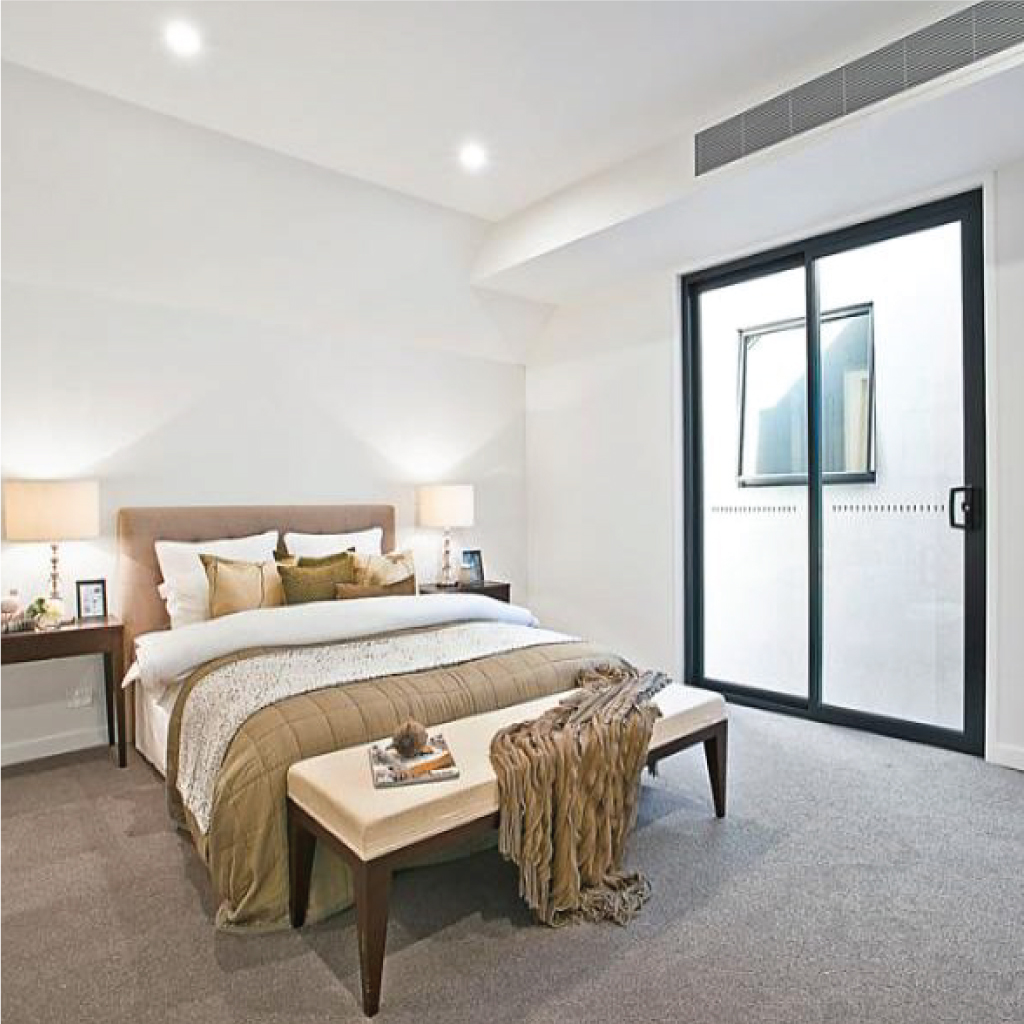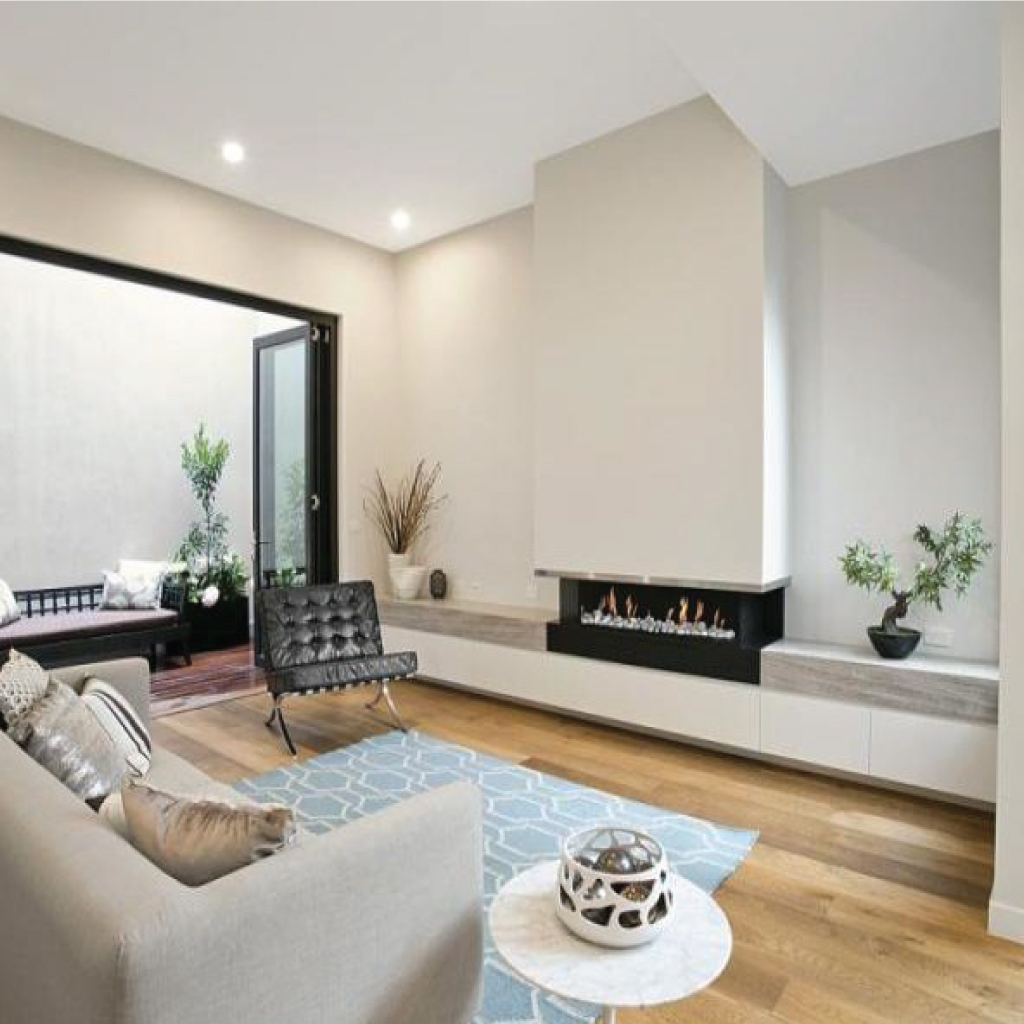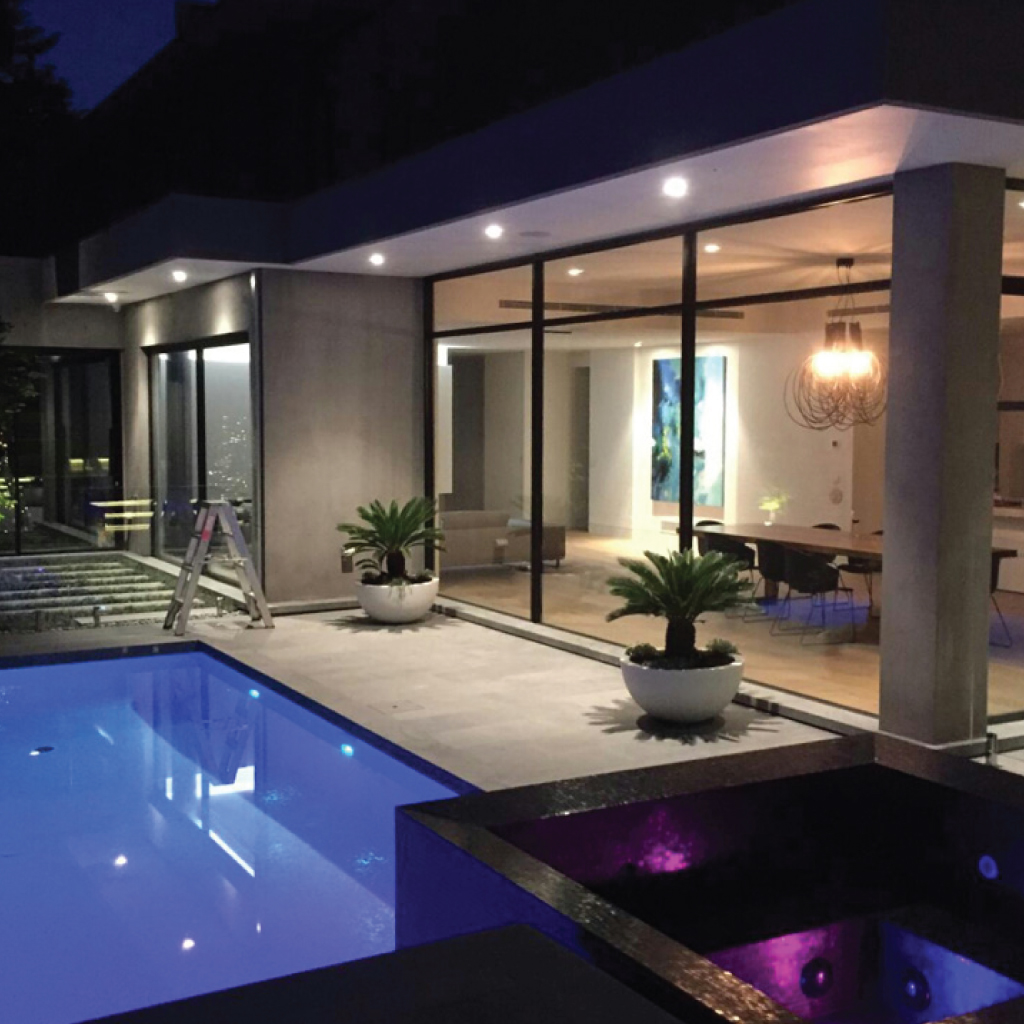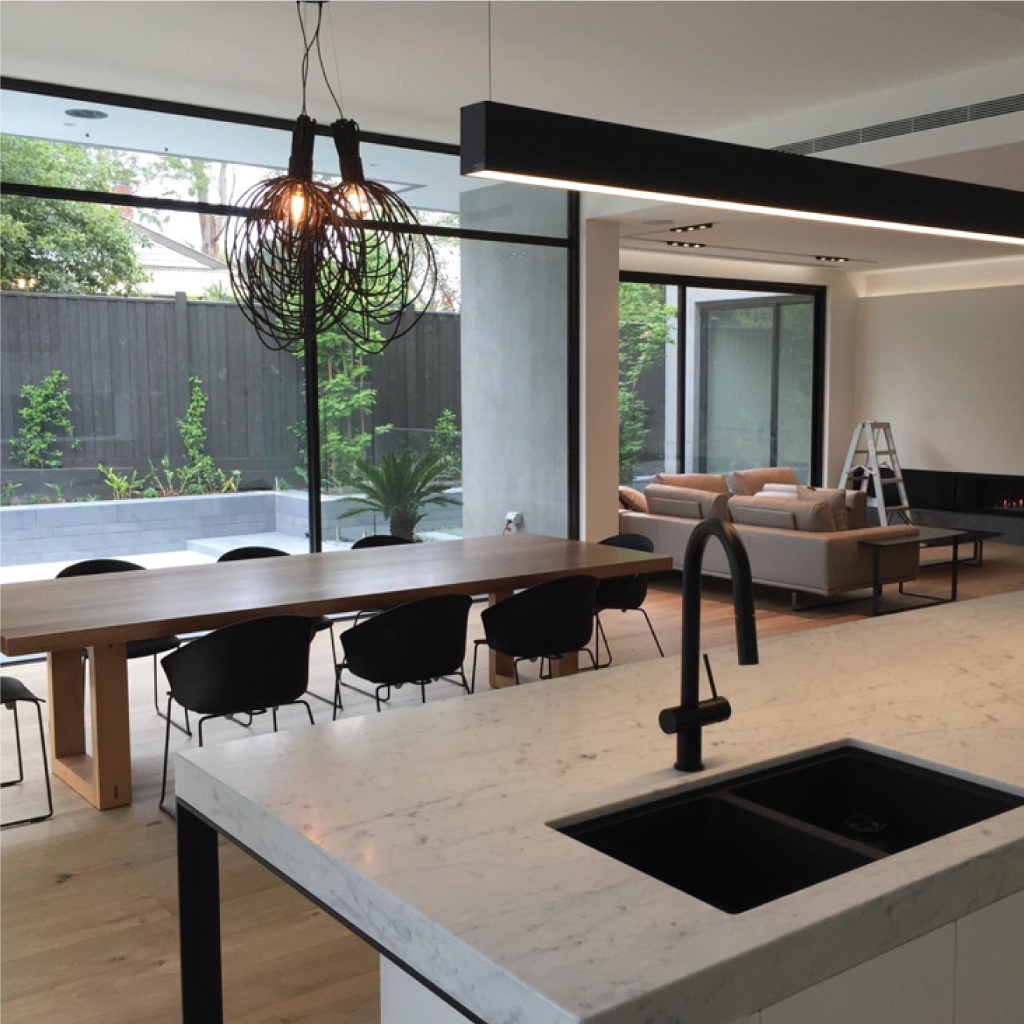
Thermally broken aluminium doors and windows are becoming increasingly popular in Melbourne due to their superior insulation, durability, and modern design. As homes and commercial buildings focus more on energy efficiency, thermal break technology provides an effective solution to reduce heat transfer while maintaining the structural strength of aluminium frames.
Whether you are building a new property, upgrading older windows, or planning a commercial project, choosing the right company for fabrication, supply and professional installation of thermally broken aluminium doors and windows in Melbourne is essential.
This guide explains how thermally broken aluminium systems work, their benefits, and why they are ideal for Melbourne’s climate.
What Are Thermally Broken Aluminium Windows and Doors?
Thermally broken aluminium systems include a thermal barrier placed between the inner and outer aluminium frame sections.
This barrier is usually made from polyamide insulation material, which prevents heat from transferring through the metal frame.
Standard aluminium frames conduct heat easily, but thermally broken frames significantly improve insulation by separating the internal and external surfaces.
Thermally broken aluminium windows are commonly combined with:
- Double glazing
- Low-E energy efficient glass
- Advanced weather sealing systems
These features help maintain comfortable indoor temperatures throughout the year.
Why Thermally Broken Aluminium Is Ideal for Melbourne
Melbourne experiences rapidly changing weather conditions, including cold winters, hot summers, and strong winds.
Thermally broken aluminium doors and windows help improve indoor comfort by reducing heat transfer between indoor and outdoor environments.
Benefits include:
- Better insulation during winter
- Reduced heat gain in summer
- Improved energy efficiency
- Greater indoor comfort
For homeowners and developers looking to improve building performance, thermal break systems are an excellent investment.
Fabrication of Thermally Broken Aluminium Doors and Windows
Fabrication is the process of manufacturing aluminium frames and assembling them with glazing and hardware.
Custom fabrication ensures that thermally broken aluminium windows and doors are built to suit the specific architectural design and performance requirements of each project.
The fabrication process typically includes:
- Aluminium profile cutting – frames are cut to exact measurements.
- Thermal break integration – polyamide insulation strips are inserted between frame sections.
- Frame assembly – aluminium sections are joined and sealed.
- Glass installation – double or triple glazing panels are fitted.
- Hardware fitting – locks, handles and sliding systems are installed.
- Quality inspection – frames are tested for strength and accuracy.
Professional fabrication ensures precision, durability and compliance with Australian standards.
Supply of Thermally Broken Aluminium Systems
Reliable aluminium suppliers offer a variety of thermally broken door and window systems suitable for residential and commercial applications.
Common Thermally Broken Window Types
- Awning windows
- Sliding windows
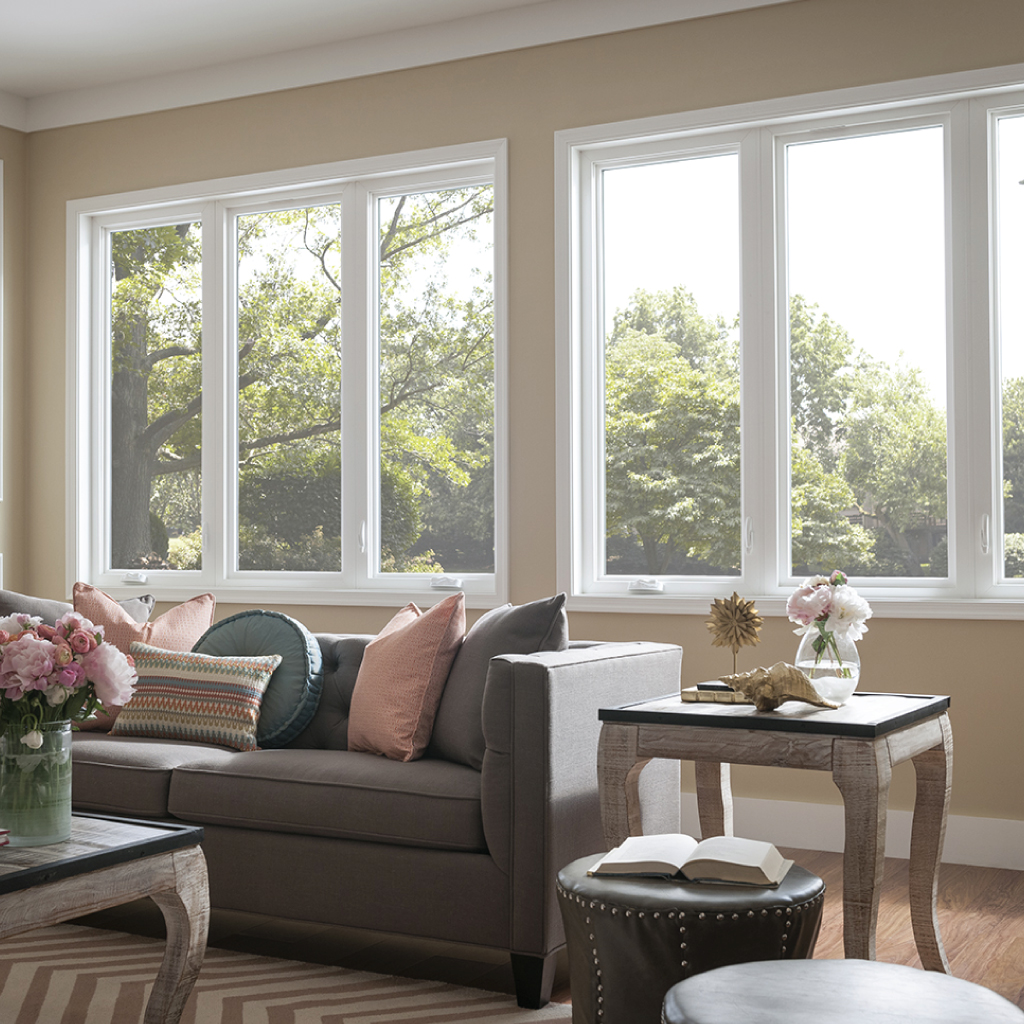
- Casement windows
- Fixed windows
- Architectural windows
Thermally Broken Door Systems
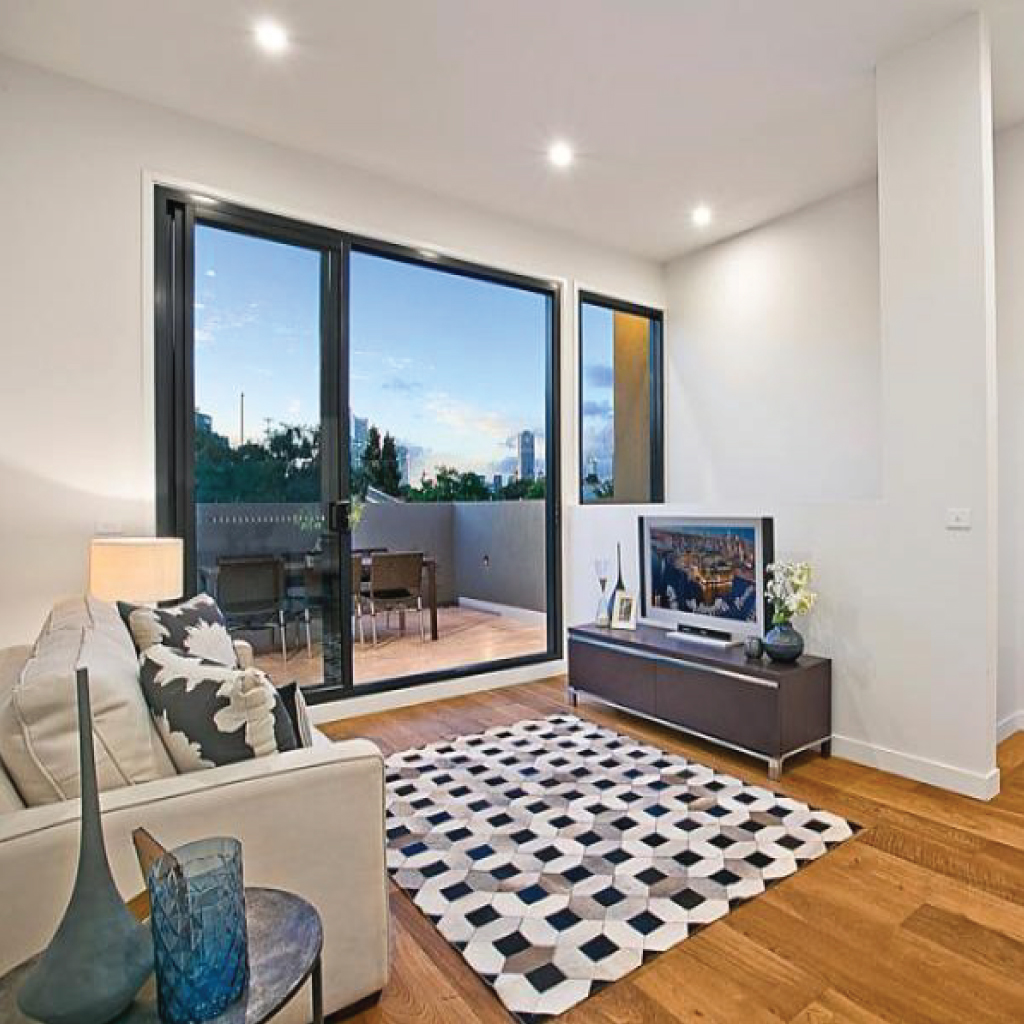
- Sliding doors
- Stacker doors
- Bi-fold doors
- Hinged entry doors
These systems allow larger glass openings while maintaining excellent thermal performance.
Benefits of Thermally Broken Aluminium Doors and Windows
1. Improved Energy Efficiency
Thermally broken aluminium frames reduce heat transfer, helping homes stay warmer in winter and cooler in summer. This reduces reliance on heating and cooling systems and can lower energy bills.
2. Reduced Condensation
Condensation can occur when warm indoor air meets cold window frames. Thermal break technology keeps the interior frame warmer, helping minimise condensation.
3. Modern Architectural Design
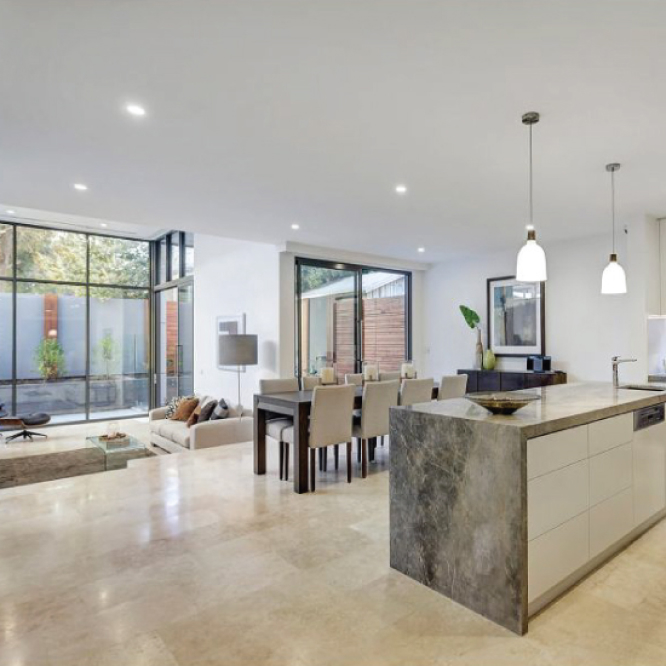
Aluminium allows slim frame profiles, which means larger glass panels and more natural light.
Thermally broken systems maintain this sleek appearance while improving insulation.
4. Strength and Durability
Aluminium is extremely strong and corrosion-resistant, making it suitable for Melbourne’s climate.
It does not warp or crack like timber and requires very little maintenance.
5. Compatibility with Double Glazing
Thermally broken aluminium windows are designed to work with double glazing systems that improve insulation and reduce external noise.
This is especially useful for homes located near busy roads or urban areas.
Thermally Broken Aluminium vs Standard Aluminium Windows
| Feature | Standard Aluminium | Thermally Broken Aluminium |
|---|---|---|
| Insulation | Low | High |
| Energy efficiency | Moderate | Excellent |
| Condensation resistance | Low | High |
| Indoor comfort | Moderate | High |
| Cost | Lower | Higher but energy efficient |
Although thermally broken aluminium windows have a higher upfront cost, the long-term energy savings and improved comfort often justify the investment.
Choosing the Right Thermally Broken Aluminium Supplier in Melbourne
When selecting a supplier or fabricator, consider the following factors:
- Experience with thermally broken systems
- Custom fabrication capabilities
- Compliance with Australian standards
- Energy efficient glazing options
- Professional installation services
Working with a trusted aluminium window manufacturer ensures the system performs efficiently and lasts for many years.
Conclusion
Thermally broken aluminium doors and windows offer a perfect combination of strength, modern aesthetics and energy efficiency. For Melbourne homes and commercial buildings, they provide improved insulation, reduced condensation and enhanced indoor comfort.
Choosing a company that specialises in fabrication, supply and installation of thermally broken aluminium windows and doors in Melbourne ensures your building benefits from high-performance systems designed to handle local climate conditions.